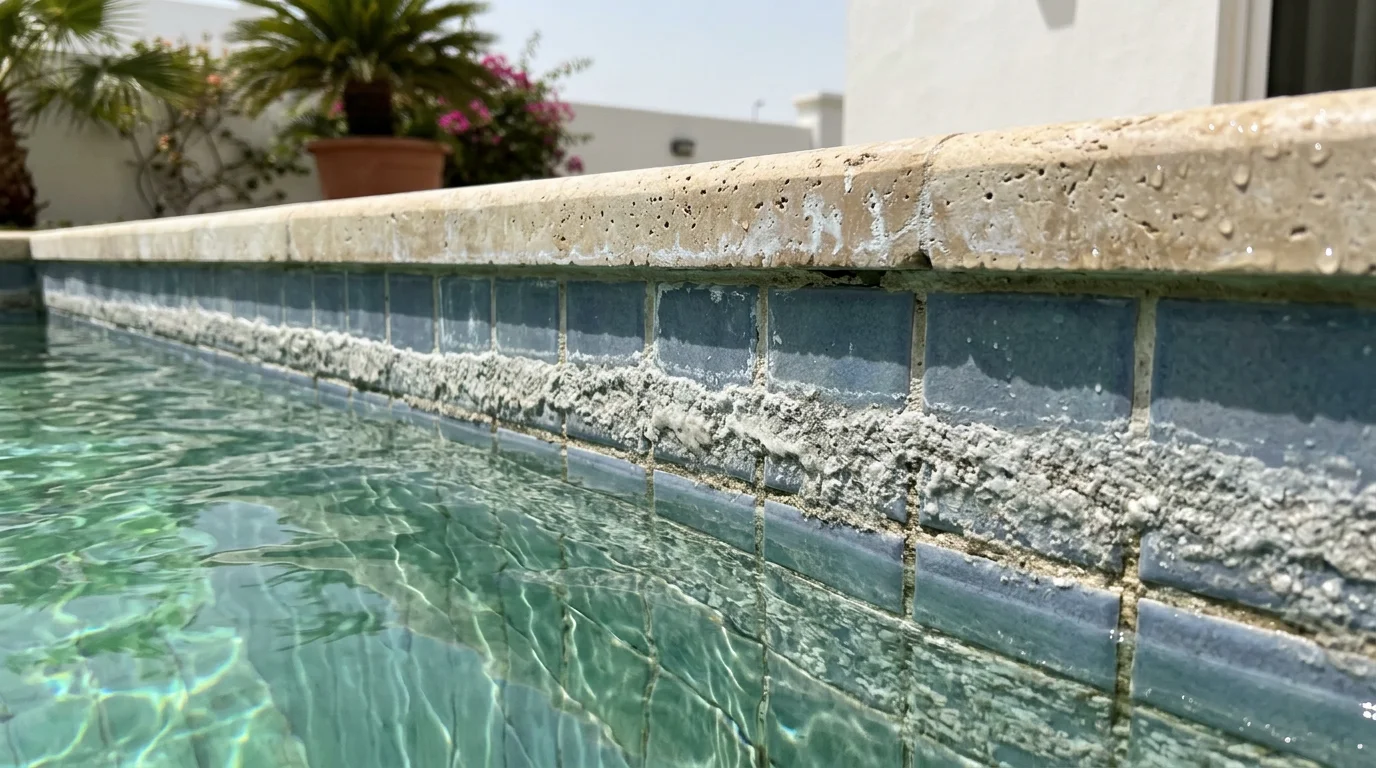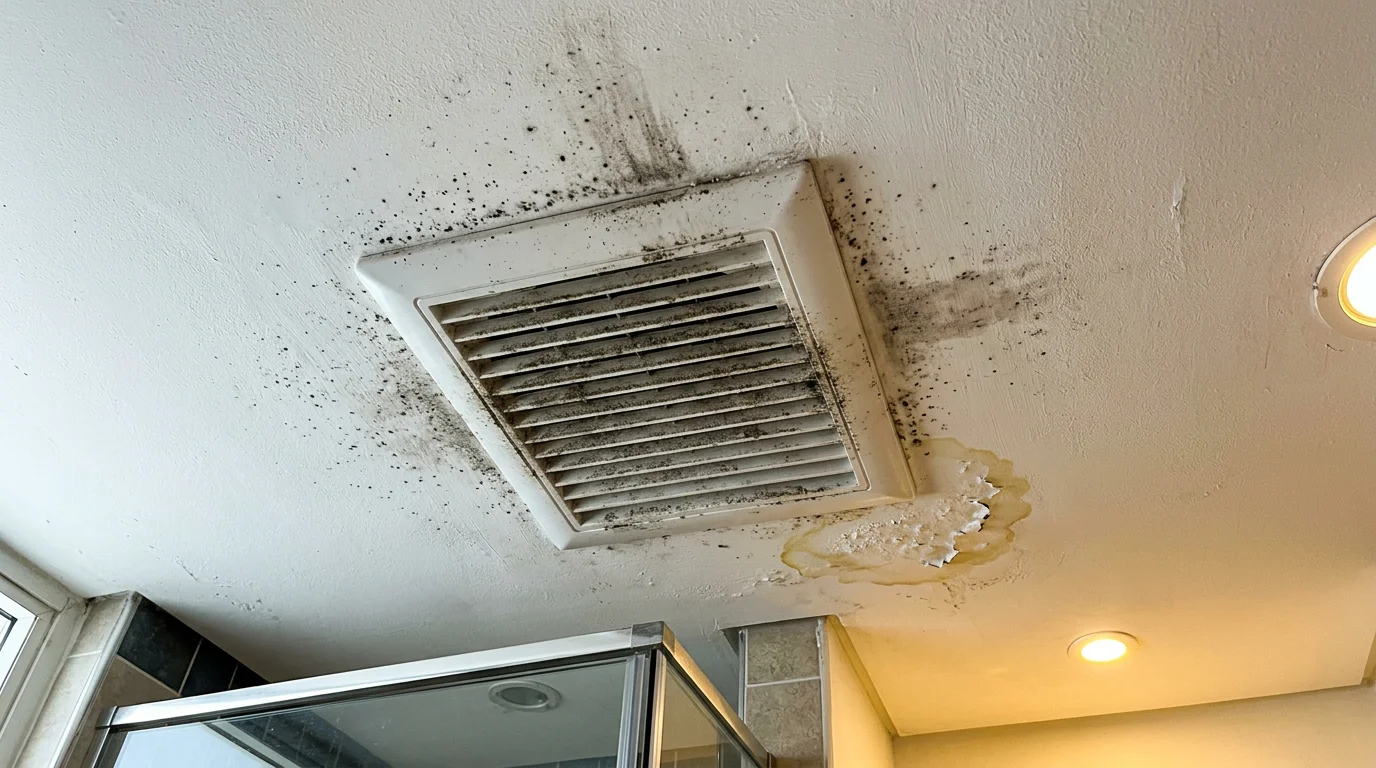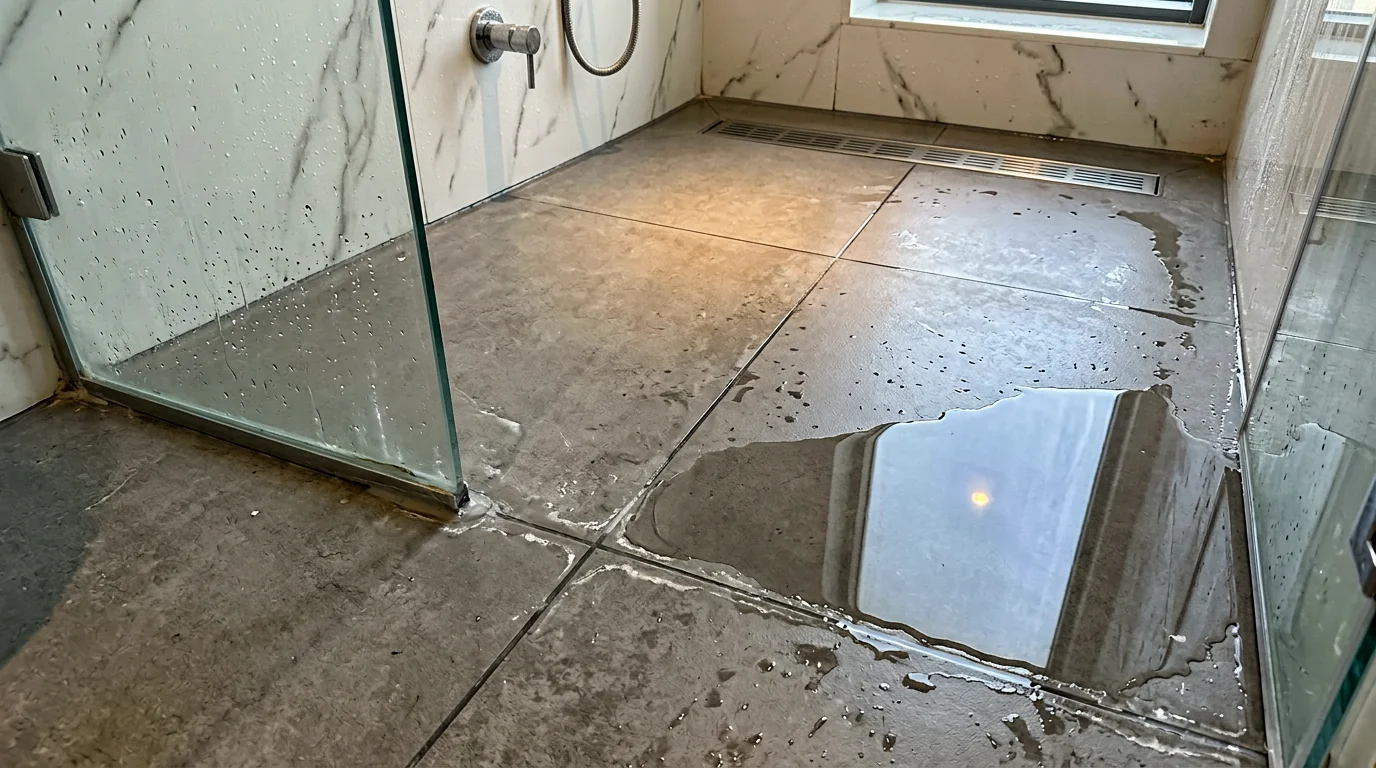
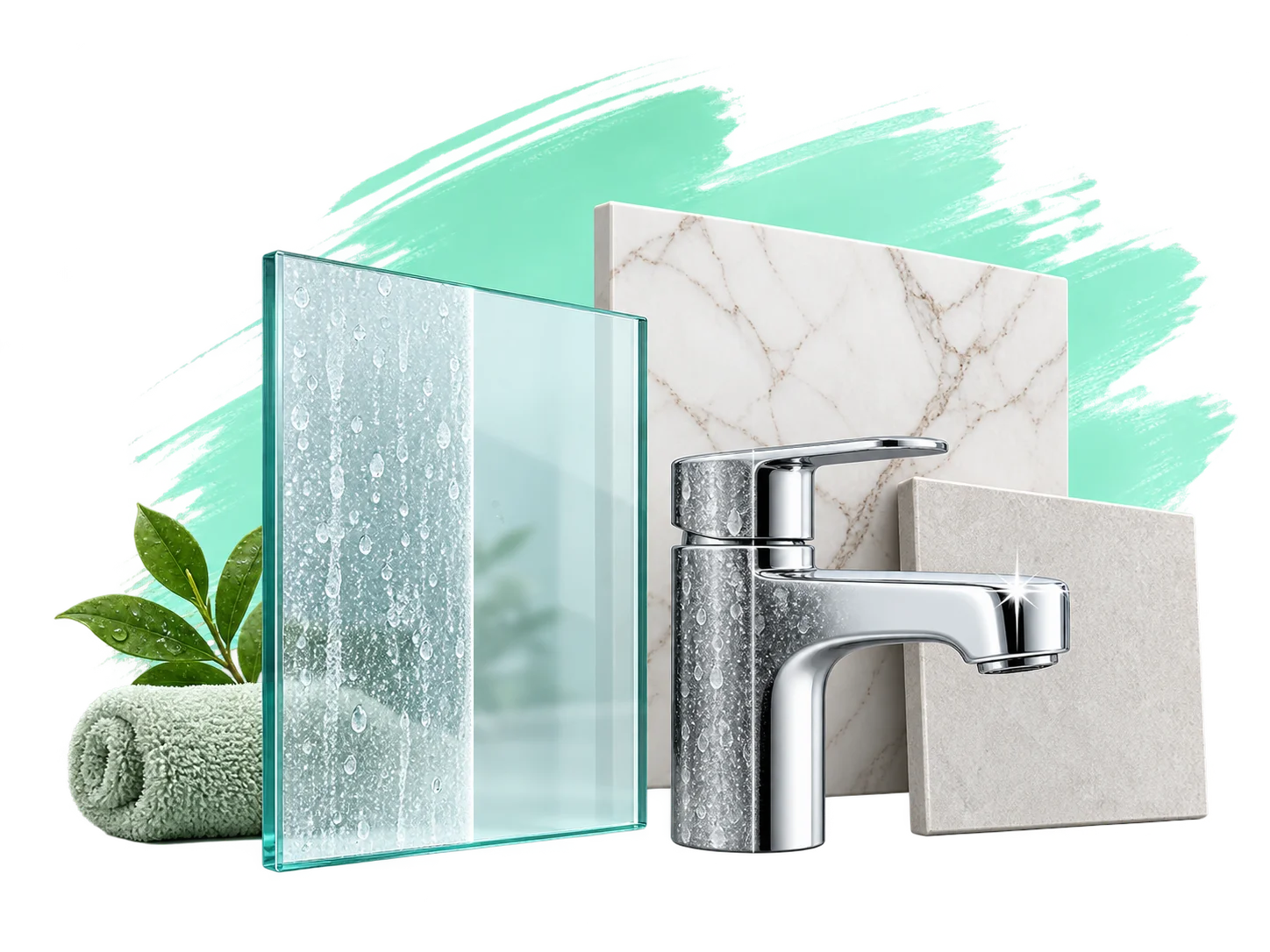
If you live in Dubai, you already know the enemy. That cloudy white film on the shower glass. The chalky spots on the taps that come back two days after you clean them. The dull haze creeping across the bathroom tiles. It is not that you are cleaning badly. It is the water itself.
Dubai has famously hard water, which simply means it carries a lot of dissolved minerals, mostly calcium and magnesium. Every time that water dries on a surface, the water leaves but the minerals stay behind. Do that a few hundred times, which is roughly a normal month of showers, and you get limescale: a stubborn mineral crust that ordinary cleaners barely touch.
We deal with this every week across the city, so here is the practical, surface-by-surface guide to getting rid of it, keeping it away, and the one common tip from the internet that will quietly wreck your marble.
First, what actually works on limescale?
Limescale is calcium carbonate, and it dissolves in mild acid. That is why almost every method below uses one of these:
- White vinegar (cheap, effective, mildly acidic)
- Citric acid or lemon (similar idea)
- A dedicated limescale/hard-water remover (stronger, for stubborn buildup)
That is the whole secret for most surfaces. But, and this is the important part, acid is exactly what you must never use on some surfaces. Keep reading before you reach for the vinegar.
Shower glass (the cloudy screen)
The most common complaint, and the most satisfying to fix.
- Mix equal parts white vinegar and water in a spray bottle. For heavy buildup, warm the vinegar slightly first.
- Spray the glass generously and leave it for 10 to 15 minutes so the acid can break down the minerals. Do not let it dry out; re-spray if needed.
- Scrub gently with a non-scratch sponge or a soft cloth, working in circles.
- Rinse well and dry with a microfibre cloth for a clear, streak-free finish.
For old, calcified glass that has been building up for years, one pass will not do it. Repeat, or step up to a proper limescale remover. If the glass still looks etched after cleaning (a permanent cloudiness that does not wipe away), the minerals have started to pit the surface, and that usually needs professional glass restoration rather than cleaning.
Tiles and grout
Ceramic and porcelain tiles handle acid well, so the vinegar method works.
- Spray a 50:50 vinegar and water solution over the stained tiles.
- Let it sit for 5 to 10 minutes.
- Agitate with a soft brush, paying attention to grout lines where buildup hides.
- Rinse promptly and dry with a cloth.
For grout that has gone dark or crusty, a baking soda paste worked in with an old toothbrush before the vinegar rinse helps lift it. If your tiles or grout are cracked, lifting, or the grout is crumbling rather than just stained, that is a repair job, not a cleaning one, and worth sorting during a bathroom refresh before water gets underneath. Our tiling service handles re-grouting and re-sealing.
Taps, shower heads and chrome fixtures
The chalky crust on chrome is pure limescale, and it comes off well.
- Soak a cloth in white vinegar, wrap it around the tap or fitting, and leave it for 30 to 60 minutes.
- For a shower head with weak or spitting spray, unscrew it and soak it in warm vinegar for the same time. The holes are clogged with minerals.
- Scrub gently with a soft brush (an old toothbrush is perfect).
- Rinse thoroughly and buff dry with a microfibre cloth.
A quick warning: some finishes, such as certain matte black, brushed gold or coated taps, can be damaged by prolonged acid contact. Check the manufacturer guidance, and if in doubt, test a hidden spot first and keep the soak short.
Marble and natural stone (read this before you touch the vinegar)
Here is the mistake the generic cleaning articles get badly wrong. Never use vinegar, lemon, citric acid, or any acidic cleaner on marble, travertine, limestone, or other natural stone.
Marble is calcium carbonate, the same family as the limescale you are trying to remove. Acid does not know the difference. It will dissolve the stain and the stone surface at the same time, leaving a dull, rough, etched patch that is worse than the stain you started with. We get called out to fix exactly this more often than you would think.
For hard water film on marble, do this instead:
- Clean only with a pH-neutral, stone-safe cleaner and warm water.
- For light buildup, a soft cloth and repeated gentle cleaning is the safe route.
- For marble that has already gone cloudy, dull, or etched, cleaning will not bring it back, because the problem is in the stone surface, not on top of it. That needs professional honing and polishing.
We explain exactly why this happens in the hidden reason your marble floors look cloudy, and what a proper restoration involves in our guide to marble polishing cost in Dubai. The short version: restoring dull marble is a job for our stone and marble service, not a spray bottle.
Two safety rules, always
- Never mix bleach with vinegar or any acid. It releases toxic fumes. Pick one product and rinse well before using another.
- Ventilate. Open a window or run the extractor when working with acids or strong removers in a small bathroom.
How to stop hard water stains coming back
Removal is the chore. Prevention is what actually gives you a clean bathroom with less effort, and in Dubai’s water it makes a real difference.
- Squeegee the shower glass after the last use each day. A ten-second habit stops the film ever forming.
- Keep a microfibre cloth handy and wipe taps and glass dry after use where you can.
- Do a quick weekly vinegar spray on glass and tiles (not marble) before buildup hardens.
- Consider a shower or tap filter, or a water softener, which reduces the mineral load at the source. This is the single most effective long-term fix in a hard-water city, though it is a bigger investment.
- Ventilate so surfaces dry faster and minerals have less time to bond.
The pattern behind all of it: minerals need time on a dry surface to harden. Deny them that time and stains barely get a foothold.
Quick FAQ
What is the best thing to remove hard water stains in Dubai?
For glass, tiles, and chrome, white vinegar (or citric acid) is the most effective and cheapest option, left to soak for 10 to 60 minutes depending on the surface, then scrubbed and dried. For stubborn buildup, a dedicated limescale remover works faster. Never use acids on marble or natural stone.
Why does Dubai have so many hard water problems?
Dubai’s water is high in dissolved minerals like calcium and magnesium. When it dries on glass, tiles, or taps, those minerals are left behind as limescale. Continuous use and fast evaporation in the heat mean buildup forms quickly, which is why stains seem to return so soon after cleaning.
Can I use vinegar on marble to remove hard water stains?
No. Vinegar and other acids etch and dull marble, travertine, and limestone, causing permanent damage. Use only a pH-neutral, stone-safe cleaner on natural stone. If marble is already cloudy or dull, it needs professional polishing rather than cleaning.
How do I stop hard water stains coming back?
Squeegee and dry glass and taps after use, do a quick weekly vinegar wipe on glass and tiles, ventilate the bathroom, and consider a shower filter or water softener to cut the mineral load at the source. Prevention is far easier than removal.
Why do my hard water stains return within days of cleaning?
Because you are removing the surface film but the hard water keeps depositing new minerals every time it dries. Without a drying habit or a filter, buildup simply reforms. Treating the water or drying surfaces after use is what breaks the cycle.
The short version
Hard water stains in Dubai are limescale, and mild acids like white vinegar remove them well from glass, tiles, and chrome taps: spray or soak, wait, scrub gently, rinse, and dry. The one rule that saves you an expensive repair is to keep all acids away from marble and natural stone, which they permanently etch; use a pH-neutral cleaner there, and call a professional if the stone has gone dull. Then win the long game with simple drying habits or a water filter, because in Dubai the water will always try to leave its mark.
Hard water already dulled your marble, tiles, or glass beyond a clean? ArabCare restores stone, re-grouts and re-seals tiling, and refreshes bathrooms across Dubai. Book a free assessment, explore our stone & marble, tiling and bathroom services, or see what Dubai homeowners say.