
Step outside in July and you feel it instantly, that wall of heat that makes your sunglasses fog and your phone flash a temperature warning. We all know what 48°C does to us.
What almost nobody thinks about is what it’s doing to the house behind them.
Because while you’re inside with the AC running, your home is taking the full force of the summer, quietly, invisibly, every single day for months. And the damage rarely announces itself. It shows up in September as a cracked door that won’t close, a cloudy floor, a leak, a sky-high DEWA bill, or a smell you can’t place. By then, the summer that caused it is already gone.
I’ve spent years repairing exactly these problems across Dubai, and the frustrating part is how preventable most of them are. So here’s what the heat is really doing behind the scenes, and the small moves that save you a painful autumn repair list.
1. Your wood is moving, and that’s why doors stop closing
Wood breathes. It expands and contracts with heat and humidity, and a Dubai summer swings between bone-dry outdoor heat and cool, conditioned indoor air all day long. That constant push-pull is brutal on anything wooden.
What it shows up as:
- Doors that suddenly stick, drag, or won’t latch
- Gaps opening up in cabinets and wardrobes
- Warped drawer fronts and kitchen units
- Creaking, lifting, or separating wooden flooring
Most people blame “cheap fittings.” Usually it’s just physics, the wood moved, and nothing was there to accommodate it. A bit of seasonal carpentry adjustment , re-hanging, planing, re-sealing, fixes it fast and stops a sticking door from becoming a cracked frame.
2. The humidity behind your walls is the real villain
Here’s the one that costs people the most. It’s not the dry heat, it’s the condensation that comes with it.
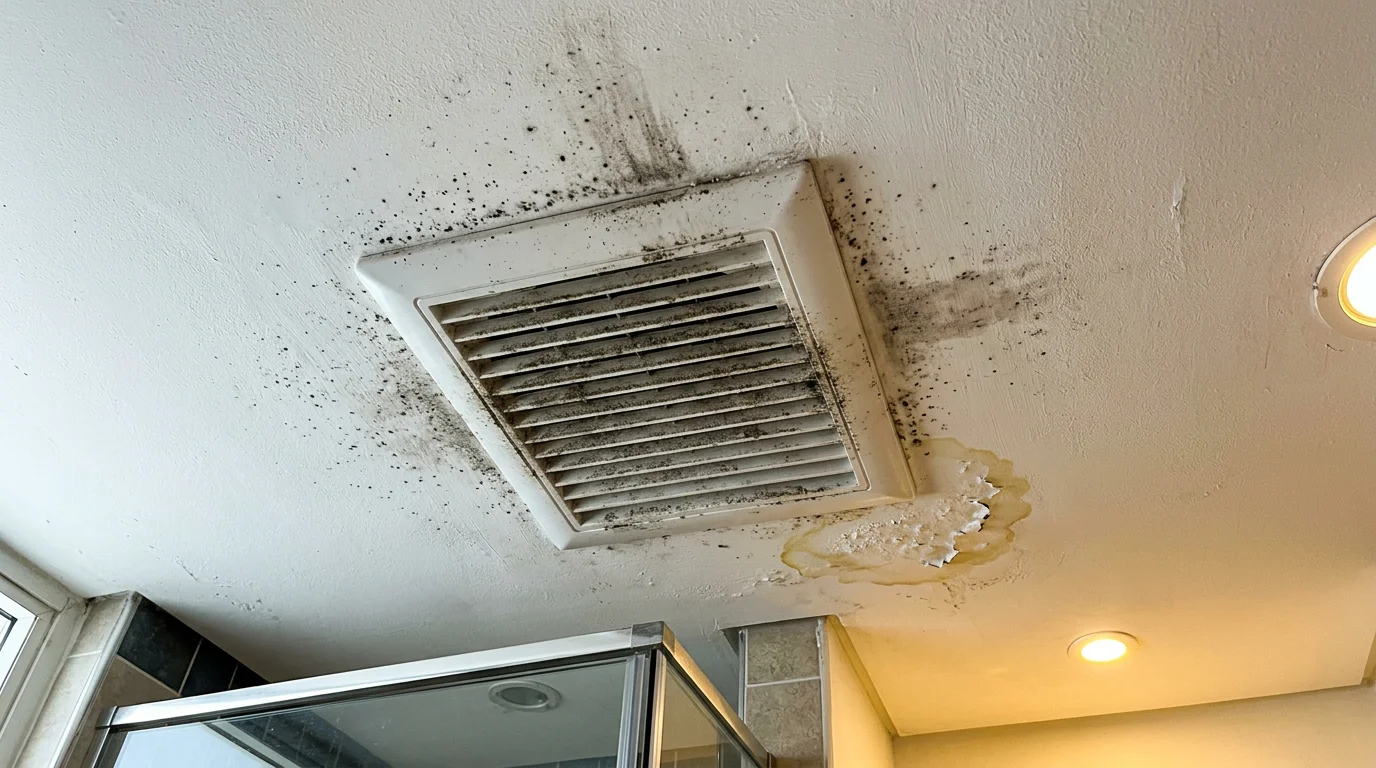
Your AC runs flat-out for months. Cold surfaces meet hot, humid air, and moisture forms in places you never see: inside ceiling voids, behind walls, around poorly sealed windows, under bathroom fittings. Give it time and that trapped moisture turns into the summer’s greatest hits:
- Brown stains spreading across ceilings (often a slow AC drainage leak)
- Musty smells that no amount of cleaning shifts
- Bubbling or peeling paint
- Black mould creeping into bathroom corners and around windows
The cruel thing about moisture damage is the delay. The leak starts in June. You smell it in August. You see the stain in October. The fix would have taken an hour in June and takes a full ceiling repair by October.
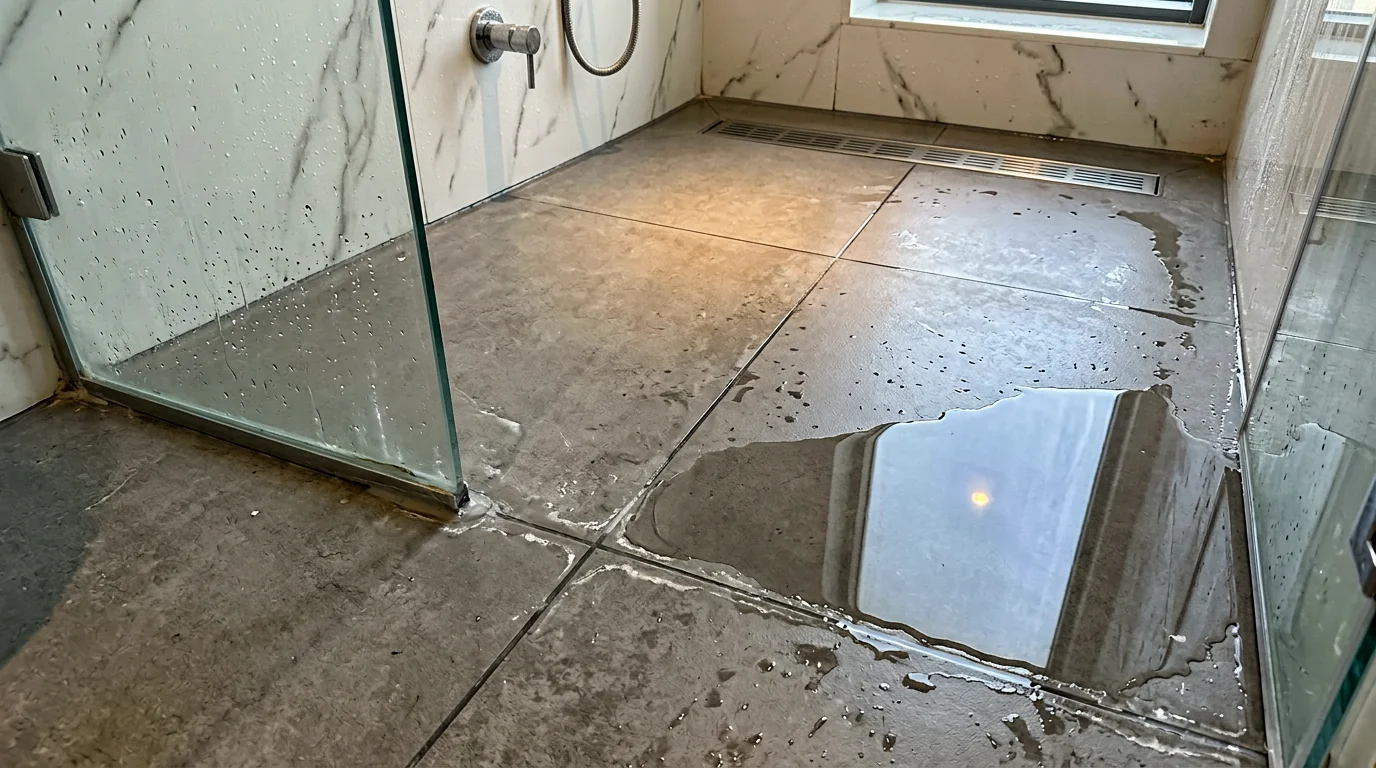
If you spot a damp patch on a ceiling, don’t wait, that’s your cue to get it checked. It often ties into false-ceiling and gypsum repair, and if it’s reached the bathroom, a proper bathroom and waterproofing fix.
3. Your marble and stone floors are quietly dulling
Summer is hard on stone floors in a way most people never connect to the season. More time indoors means more foot traffic. More humidity and harder evaporation leaves more mineral film. And the urge to mop constantly, usually with hard tap water and the wrong cleaner, slowly fogs the surface.
The result is a floor that looks permanently hazy and “asleep” by the end of summer, no matter how much you clean it.
(If your marble already looks cloudy, there’s a specific reason, and it’s almost never dirt. We broke it down here: Why Your Marble Floors Look Cloudy.)
A post-summer marble polish and reseal brings it straight back, and the seal helps it survive the next one.
4. Tiles, grout and silicone take a beating
Heat makes materials expand; cooling makes them contract. Do that thousands of times across a summer and the weak points give way:
- Cracked or “hollow-sounding” tiles where the bond underneath has failed
- Grout cracking and crumbling, especially in sunny rooms and balconies
- Silicone seals around sinks, baths and windows going hard, shrinking, and letting water through
That last one matters more than it looks, failed silicone is a quiet doorway for water to get exactly where you don’t want it. Catching loose tiles and tired grout early keeps a cosmetic issue from becoming a tile re-lay.
5. Your electrical system is working overtime
Every AC unit, fan and fridge in Dubai is running at maximum for months, and that sustained load is when weak electrical points reveal themselves. Heat plus high demand is a genuine safety matter, not just a comfort one.
Watch for:
- Sockets or switches that feel warm or look discoloured
- Breakers that trip repeatedly under AC load
- Flickering lights when the AC kicks in
- Any faint burning smell (treat this as urgent)
Summer is peak season for electrical faults precisely because it’s peak season for electrical load. The system is being tested harder than at any other time of year.
We went deep on the warning signs here: 12 Electrical Warning Signs Every Dubai Homeowner Should Never Ignore. If anything on that list is happening, get a qualified electrician to look before it escalates.
6. If you have a pool, summer is when it fights back
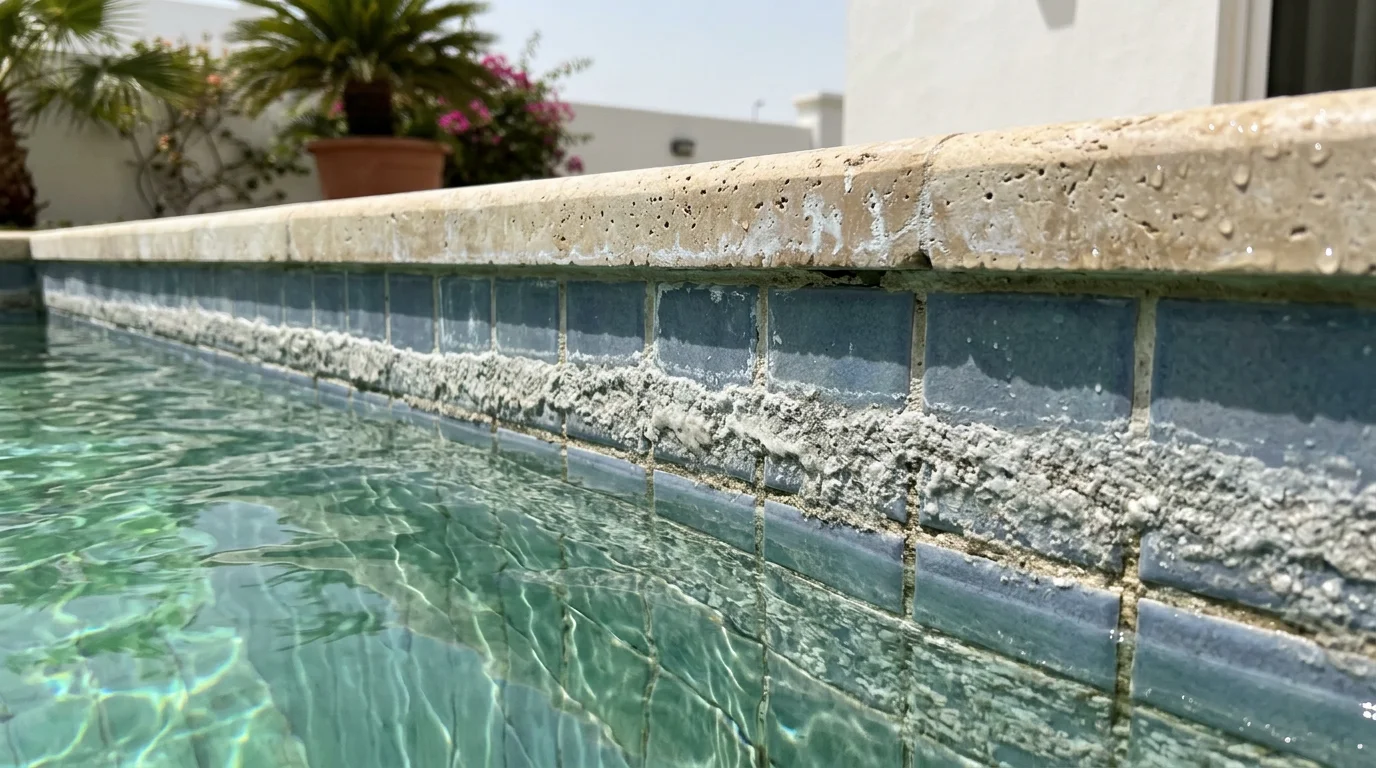
Heat supercharges everything in pool water. Higher temperatures speed up evaporation, throw the chemical balance off, and turn a clear pool green astonishingly fast. Skip a week in July and you’ll know about it.
Summer pool reality:
- Faster evaporation and shifting water levels
- Chemicals burning off quicker, so balance drifts
- Algae blooming in days, not weeks
- Filtration and pumps under heavier strain
Consistent pool maintenance through summer is far cheaper and easier than a full green-pool recovery in August.
The get-ahead-of-it summer checklist
You don’t need to do everything. You need to look before small things grow. Once this season, walk your home with this:
- Doors & cabinets, anything sticking, dragging, or not closing?
- Ceilings & walls, any new stains, damp patches, bubbling paint, or musty smells?
- Bathrooms, mould in corners? Hard or shrinking silicone seals?
- Floors, marble looking cloudy? Any hollow-sounding or cracked tiles?
- Electrics, any warm sockets, repeated trips, or flickering under AC load?
- Pool, is the balance and cleaning actually keeping up with the heat?
Found a few things? That’s normal, and it’s exactly the point. Handling them now, while they’re small, is the difference between a quick visit and an autumn renovation.
Quick FAQ
Does summer really damage a home, or is that an exaggeration?
It’s real. Dubai’s extreme heat and the constant heat-to-AC cycle cause wood to warp, condensation to build behind walls, seals and grout to fail, and electrical systems to run under heavy load for months. The damage is usually slow and hidden, which is why it gets ignored until it’s expensive.
What’s the most common summer home problem in Dubai?
Moisture damage from AC condensation and slow drainage leaks, showing up as ceiling stains, musty smells, peeling paint and bathroom mould. It’s also the most preventable if caught early.
When is the best time to do summer-related maintenance?
Two windows work best: a quick check at the start of summer to prevent problems, and a fuller refresh at the end (around September-October) to repair the season’s wear, polishing floors, fixing seals, adjusting doors and clearing any moisture issues.
Can I check for this myself?
Yes, the walk-round checklist above catches most early signs. For anything involving electrics, water leaks behind walls, or structural damp, bring in a professional rather than guessing.
The short version
Dubai’s summer doesn’t break your home in one dramatic moment. It works slowly – warping wood, hiding moisture, dulling stone, stressing seals and pushing your electrics, and presents the bill months later. The homeowners who sail through are simply the ones who look early and fix small. A single walk-round now can save you a long repair list in autumn.
Want a second set of eyes before the heat does its worst? ArabCare handles summer-proofing across Dubai, from marble and floors to electrical, pools and moisture repair. Book a free home check, see what Dubai homeowners say, or browse all services.